
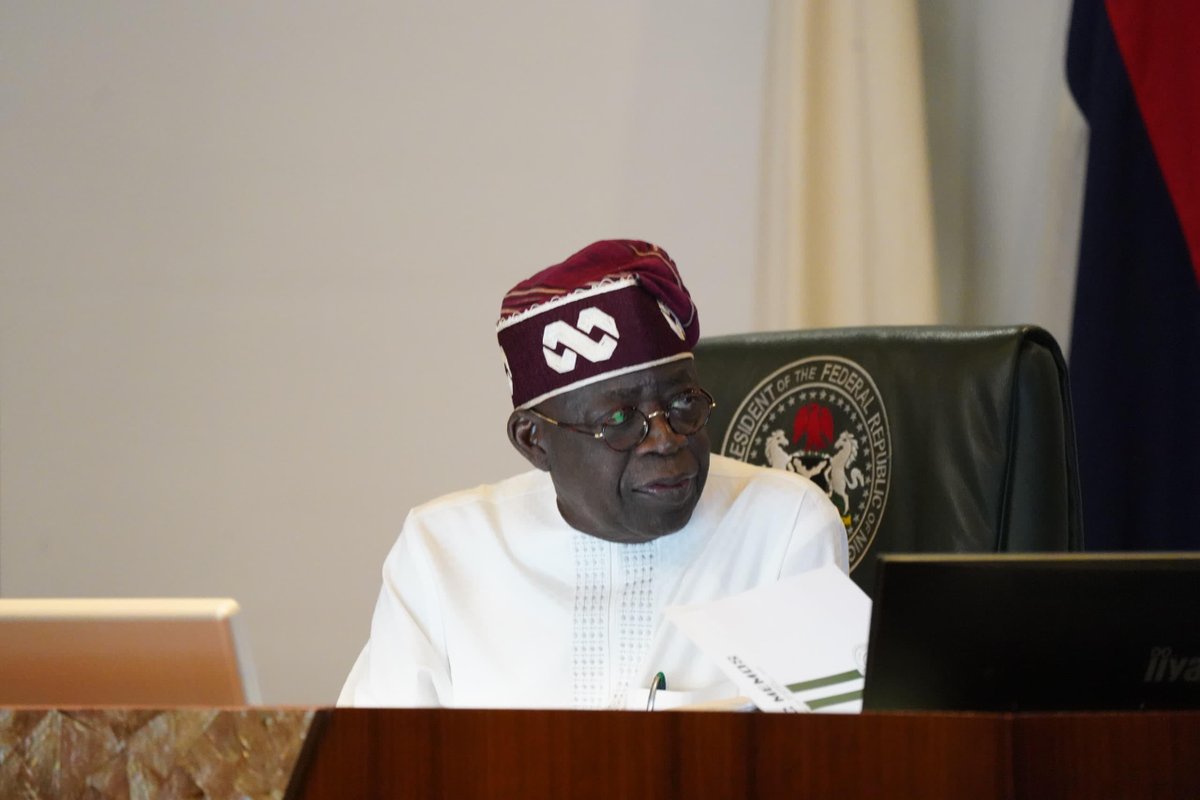
Bola Tinubu has authorised a repayment framework to clear long-standing financial obligations in Nigeria’s electricity sector under the Presidential Power Sector Financial Reforms Programme.
According to presidential spokesman Bayo Onanuga, the decision followed a detailed assessment of legacy debts that have troubled the industry for more than ten years, covering the period between February 2015 and March 2025.
After reconciliation, the government fixed ₦3.3 trillion as the final amount to be settled, describing it as a fair and transparent resolution of the outstanding liabilities.
The rollout of the plan has already begun, with 15 generation companies entering agreements valued at ₦2.3 trillion. The Federal Government has so far sourced ₦501 billion to fund the exercise, with ₦223 billion already released and additional payments in progress.
Officials believe the intervention will strengthen the power value chain, improve electricity generation, and enhance supply stability nationwide. They also noted that a more stable sector is expected to attract investment, generate jobs, and improve service delivery for consumers.
Speaking on the initiative, Olu Arowolo-Verheijen said it is aimed at rebuilding trust and functionality across the sector.
“This programme is not just about settling legacy debts. It is about restoring confidence across the power sector — ensuring gas suppliers are paid, power plants can keep running, and the system begins to work more reliably,” explained “It is part of a broader set of reforms already underway — including better metering and service-based tariffs that link what you pay to the quality of electricity you receive.
“The government is also prioritising power supply to businesses, industries, and small enterprises — because reliable electricity is critical to creating jobs, supporting livelihoods, and growing the economy.
“The goal is simple: more reliable power for homes, stronger support for businesses, and a system that works better for all Nigerians.”