

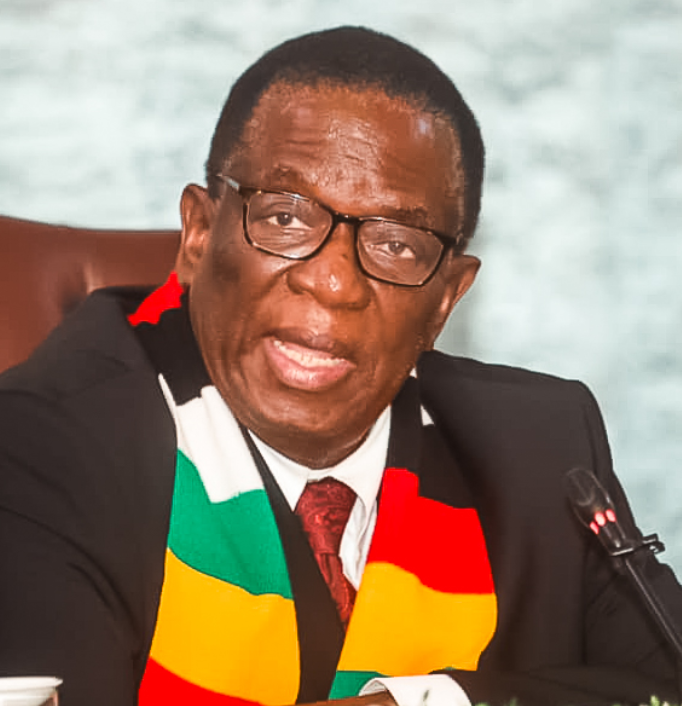
Zimbabwean President Emmerson Mnangagwa has officially signed into law controversial constitutional amendments that extend his tenure by two years until 2030 and abolish direct presidential elections.
The new law increases presidential and parliamentary terms from five to seven years. It also transfers the power to elect the president from the people to parliament, ending Zimbabwe’s system of direct presidential elections.
Senior Information Ministry official Nick Mangwana announced the development on X, writing, “SIGNED, SEALED AND DELIVERED — IT’S NOW LAW,” while sharing a copy of the legislation.
The amendments had earlier secured approval from both chambers of parliament before receiving final endorsement from the National Assembly.
The reforms have sparked outrage among opposition figures, who described them as a “constitutional coup” aimed at entrenching the ruling Zanu-PF party’s hold on power. Critics argue the changes undermine democracy in Zimbabwe, where Zanu-PF has governed continuously since independence in 1980.
Mnangagwa, 83, became president in 2017 after a military-backed coup removed longtime leader Robert Mugabe, ending his 37-year rule. Commonly known as “The Crocodile,” Mnangagwa has long been regarded as one of Zimbabwe’s most influential political figures.