
Nigeria has officially launched FreeTV, a nationwide digital television platform that will allow households across the country to access over 100 channels without paying monthly subscription fees.
The initiative, announced on Tuesday, June 16, 2026, by the Presidency ahead of its formal rollout on June 17, is part of Nigeria’s ongoing Digital Switch-Over (DSO) programme aimed at fully transitioning the broadcasting sector from analogue to digital systems.
According to the Presidency, FreeTV is designed to improve viewing quality, widen access to local and international content, and expand television options for Nigerians as the country modernises its broadcast infrastructure.
The platform also forms a key part of the federal government’s broader digital economy strategy, which seeks to ensure wider access to technology-driven services across all regions and income levels.
Speaking ahead of the launch, the Director-General of the National Broadcasting Commission (NBC), Charles Ebuebu, said the project reflects the administration’s commitment to inclusive digital access under the Renewed Hope Agenda.
“FreeTV speaks directly to President Bola Ahmed Tinubu’s vision of Renewed Hope towards expanding access, creating opportunity and ensuring that every Nigerian, regardless of location or income, can benefit from the digital economy,” he said.
Ebuebu added that the platform would also boost Nigeria’s creative and broadcasting industries by creating opportunities for content creators, media professionals, and technical operators.
“With FreeTV, families across Nigeria can enjoy quality digital television without a monthly subscription, while our local content producers, technicians and young creatives gain new platforms and new jobs,” he said.
FreeTV will offer more than 100 channels, including national, regional, and state broadcasters, with content spanning news, sports, entertainment, films, music, children’s shows, educational programming, and indigenous language stations in Yoruba, Hausa, and Igbo.
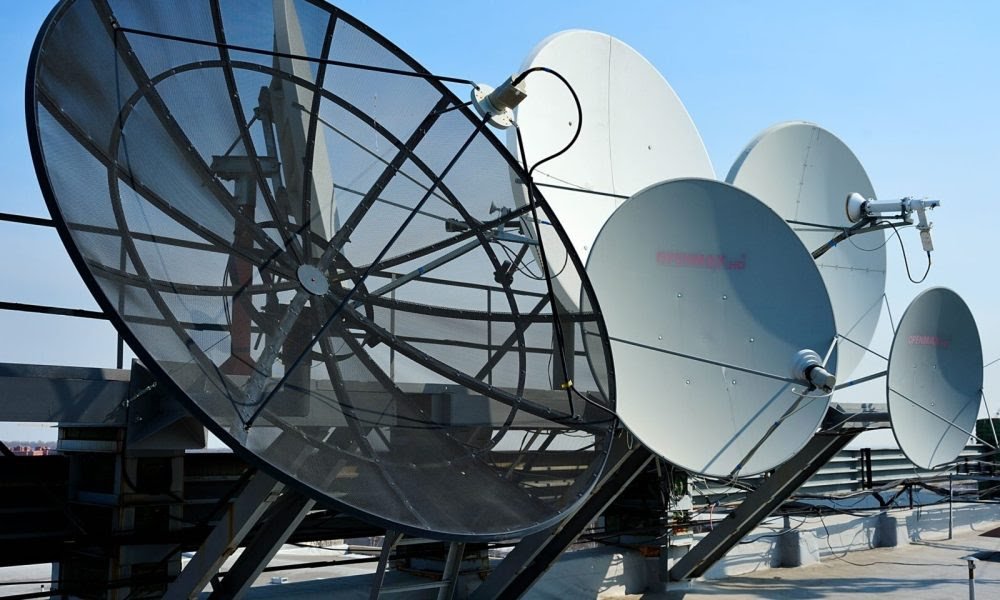
The service will be accessible through satellite, terrestrial transmission, and a mobile application, ensuring wide coverage across urban and rural areas, including communities previously underserved by earlier Digital Switch-Over pilots.
Authorities also confirmed that users will not need to buy new television sets, as existing TVs can access FreeTV through compatible DVB-T2 or DVB-S2 decoders, while some already compliant devices may work without additional equipment.
Officials say the full rollout is part of a long-term plan to complete Nigeria’s digital broadcasting transition by 2028, urging households to prepare by ensuring decoder compatibility.
The National Broadcasting Commission also estimates that the digital transition could unlock Nigeria’s N605.2 billion advertising market, creating new revenue opportunities across the media industry.